

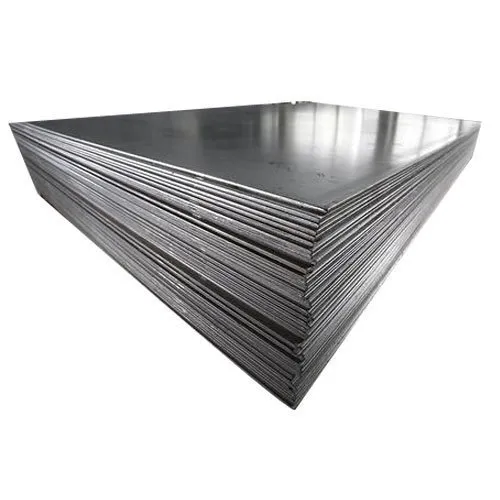
If you’ve ever shopped for modern metal furniture, you may have come across the term “CRCA steel” in product descriptions. But what exactly is it, and why has it become the go-to material for furniture manufacturers? This guide breaks down everything you need to know about CRCA sheets, from what they are to why they make such durable, stylish furniture.
What Is a CRCA Sheet?
CRCA stands for Cold Rolled Close Annealed. It’s a type of steel sheet that starts as hot-rolled steel and is then processed further through cold rolling and annealing to achieve a smoother finish, tighter thickness tolerance, and improved mechanical properties.
In simple terms, a CRCA sheet is refined steel — stronger, smoother, and more precise than standard steel sheets, making it ideal for products where both strength and finish quality matter.
Breaking Down the Term "CRCA"
- Cold Rolled: The steel is rolled at room temperature, increasing strength and improving surface smoothness.
- Close Annealed: After cold rolling, the steel is heated and cooled in a controlled, closed furnace, relieving internal stress and improving ductility.
How Is CRCA Steel Made?
Understanding the manufacturing process helps explain why CRCA steel performs so well in furniture applications. (For a deeper technical breakdown of steel processing standards, see the World Steel Association’s overview of steel manufacturing, which is a useful outbound reference for readers wanting industry-level detail.)
.
Step 1: Hot Rolling
Raw steel slabs are heated and rolled into thinner sheets called hot-rolled coils (HRC).
Step 2: Pickling
The hot-rolled sheets are treated with acid to remove surface scale and oxidation.
Step 3: Cold Rolling
The pickled sheets are rolled again at room temperature, increasing hardness and tensile strength.
Step 4: Annealing
The steel is heated in an oxygen-free environment and slowly cooled, restoring flexibility while maintaining strength.
Step 5: Temper Rolling and Finishing
A final light rolling pass gives the sheet its smooth, even surface finish, ready for coating or fabrication.
Key Properties of CRCA Sheets
Smooth, Uniform Surface Finish
Clean, defect-free surface ideal for painting, powder coating, or polishing.
High Strength and Durability
Resistant to dents, warping, and daily wear.
Excellent Formability
Can be bent, pressed, and shaped into complex furniture designs without cracking.
Tight Dimensional Tolerance
Consistent thickness ensures precision in manufacturing.
Better Weldability
Refined grain structure allows for cleaner welds in furniture frames and joints.
Why Is CRCA Steel Used in Furniture?
Long-Lasting Durability
Resists dents, scratches, and structural fatigue far better than plastic or lower-grade metal.
Sleek, Modern Aesthetic
Smooth finish allows for premium powder coating, giving furniture a clean, contemporary lookhttps://dorisfray.in/2026/09/20/07-smart-tools-for-buying-metal-furniture-in-2026-doris-fray/
Design Flexibility
High formability enables intricate shapes, curves, and cutouts.
.
Cost-Effective Manufacturing
Precise tolerances reduce material waste and rework.
.
Corrosion Resistance (with Proper Coating)
Smooth surface accepts protective coatings exceptionally well.
.
Sustainability
Highly recyclable compared to composite or plastic materials.
.
Common Furniture Applications of CRCA Steel
- Office furniture: desks, chairs, filing cabinets, workstation frames
.
- Storage solutions: almirahs, lockers, modular shelving
.
- Home furniture: bed frames, side tables, TV units
.
- Outdoor furniture: benches and frames (with anti-corrosion coating)
.
- Institutional furniture: school and hospital furniture
.
(Explore our home storage collection built with CRCA steel — https://www.indiamart.com/jainco-lucknow/.)
.
CRCA Steel vs. Other Materials in Furniture
CRCA Steel vs. HRCA (Hot Rolled) Steel
HRCA is thicker and rougher, better suited to structural or industrial use.
.
CRCA Steel vs. Wood
CRCA steel resists termites, moisture, and warping better than wood.
CRCA Steel vs. Plastic
Superior load-bearing capacity and longevity compared to plastic.
How to Maintain CRCA Steel Furniture
- Wipe regularly with a soft, dry cloth.
2. Avoid abrasive cleaners that damage the coating.
3. Address scratches promptly with touch-up paint.
If you’ve ever shopped for modern metal furniture, you may have come across the term “CRCA steel” in product descriptions. But what exactly is it, and why has it become the go-to material for furniture manufacturers? This guide breaks down everything you need to know about CRCA sheets, from what they are to why they make such durable, stylish furniture.
What Is a CRCA Sheet?
CRCA stands for Cold Rolled Close Annealed. It’s a type of steel sheet that starts as hot-rolled steel and is then processed further through cold rolling and annealing to achieve a smoother finish, tighter thickness tolerance, and improved mechanical properties.
In simple terms, a CRCA sheet is refined steel — stronger, smoother, and more precise than standard steel sheets, making it ideal for products where both strength and finish quality matter.
Breaking Down the Term "CRCA"
- Cold Rolled: The steel is rolled at room temperature, increasing strength and improving surface smoothness.
- Close Annealed: After cold rolling, the steel is heated and cooled in a controlled, closed furnace, relieving internal stress and improving ductility.
How Is CRCA Steel Made?
Understanding the manufacturing process helps explain why CRCA steel performs so well in furniture applications. (For a deeper technical breakdown of steel processing standards, see the World Steel Association’s overview of steel manufacturing, which is a useful outbound reference for readers wanting industry-level detail.)
.
Step 1: Hot Rolling
Raw steel slabs are heated and rolled into thinner sheets called hot-rolled coils (HRC).
Step 2: Pickling
The hot-rolled sheets are treated with acid to remove surface scale and oxidation.
Step 3: Cold Rolling
The pickled sheets are rolled again at room temperature, increasing hardness and tensile strength.
Step 4: Annealing
The steel is heated in an oxygen-free environment and slowly cooled, restoring flexibility while maintaining strength.
Step 5: Temper Rolling and Finishing
A final light rolling pass gives the sheet its smooth, even surface finish, ready for coating or fabrication.
Key Properties of CRCA Sheets
Smooth, Uniform Surface Finish
Clean, defect-free surface ideal for painting, powder coating, or polishing.
High Strength and Durability
Resistant to dents, warping, and daily wear.
Excellent Formability
Can be bent, pressed, and shaped into complex furniture designs without cracking.
Tight Dimensional Tolerance
Consistent thickness ensures precision in manufacturing.
Better Weldability
Refined grain structure allows for cleaner welds in furniture frames and joints.
Why Is CRCA Steel Used in Furniture?
Long-Lasting Durability
Resists dents, scratches, and structural fatigue far better than plastic or lower-grade metal.
Sleek, Modern Aesthetic
Smooth finish allows for premium powder coating, giving furniture a clean, contemporary lookhttps://dorisfray.in/2026/09/20/07-smart-tools-for-buying-metal-furniture-in-2026-doris-fray/
Design Flexibility
High formability enables intricate shapes, curves, and cutouts.
.
Cost-Effective Manufacturing
Precise tolerances reduce material waste and rework.
.
Corrosion Resistance (with Proper Coating)
Smooth surface accepts protective coatings exceptionally well.
.
Sustainability
Highly recyclable compared to composite or plastic materials.
.
Common Furniture Applications of CRCA Steel
- Office furniture: desks, chairs, filing cabinets, workstation frames
.
- Storage solutions: almirahs, lockers, modular shelving
.
- Home furniture: bed frames, side tables, TV units
.
- Outdoor furniture: benches and frames (with anti-corrosion coating)
.
- Institutional furniture: school and hospital furniture
.
(Explore our home storage collection built with CRCA steel — https://www.indiamart.com/jainco-lucknow/.)
.
CRCA Steel vs. Other Materials in Furniture
CRCA Steel vs. HRCA (Hot Rolled) Steel
HRCA is thicker and rougher, better suited to structural or industrial use.
.
CRCA Steel vs. Wood
CRCA steel resists termites, moisture, and warping better than wood.
CRCA Steel vs. Plastic
Superior load-bearing capacity and longevity compared to plastic.
How to Maintain CRCA Steel Furniture
1. Wipe regularly with a soft, dry cloth.
2. Avoid abrasive cleaners that damage the coating.
3. Address scratches promptly with touch-up paint.
3. Address scratches promptly with touch-up paint.
4. Keep away from prolonged moisture unless treated for outdoor use.
(See our full furniture care and maintenance guide — .)
Conclusion
CRCA sheets have become a cornerstone material in modern furniture manufacturing thanks to their unique combination of strength, precision, and finish quality.
At Doris Fray, we use premium CRCA steel to craft furniture built to last, blending industrial-grade strength with contemporary design.
Frequently Asked Questions
Q1. What does CRCA stand for?
A. CRCA stands for Cold Rolled Close Annealed steel — a refined steel sheet known for its smooth finish and high strength.
Q2. Is CRCA steel rust-proof?
A. Not inherently, but when powder-coated or painted properly, CRCA steel furniture offers excellent resistance to rust and corrosion.
Q3. Is CRCA steel furniture heavy?
- It’s generally lighter than solid wood furniture of comparable strength while offering better durability.
Q4. Can CRCA steel be recycled?
- Yes, CRCA steel is fully recyclable, making it an eco-friendly material choice.
Q5. Is CRCA steel better than plastic for furniture?
A. Yes — CRCA steel offers far greater load-bearing capacity, durability, and resistance to UV degradation compared to plastic.
Q6. What's the difference between CRCA and HRCA steel?
A. CRCA is cold-processed for a smoother, more precise finish, while HRCA (hot-rolled) steel is thicker and rougher, suited for structural applications rather than furniture.